
How to Install Engineered Hardwood
Want to install engineered hardwood? This article will be your step-by-step guide to installing engineered hardwood with three different methods!
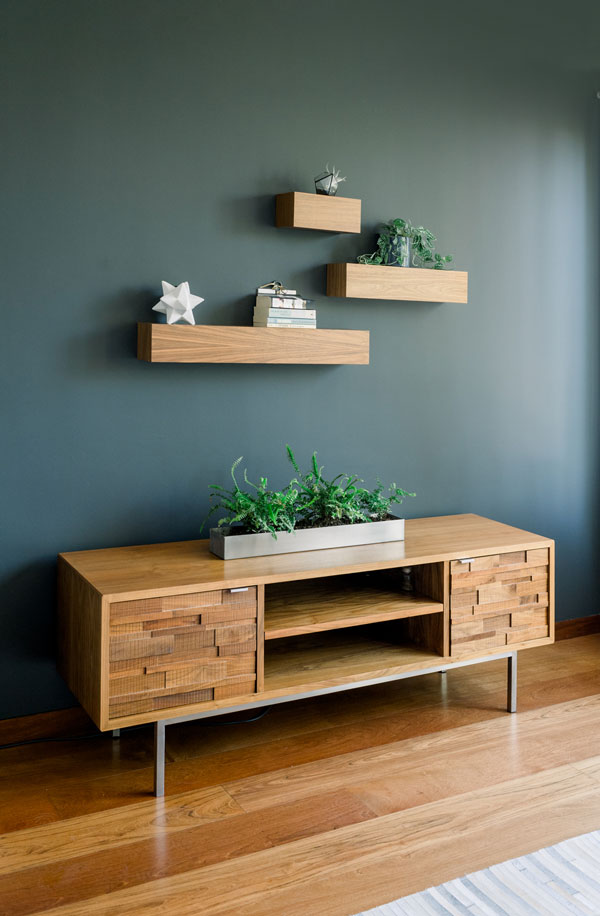
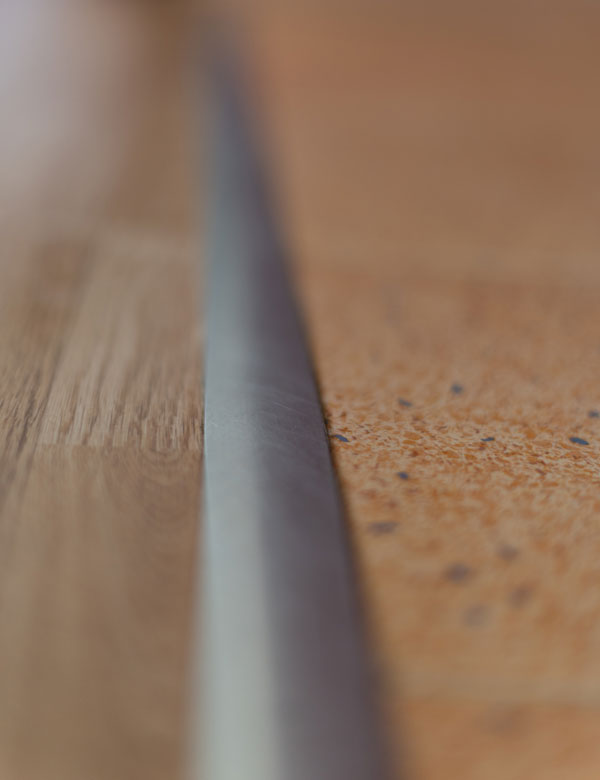
Before and After Installation
Ensure your planks have acclimated to the room climate for at least 24 hours before installation and avoid heavy traffic or placing heavy furniture for 24-48 hours after installation
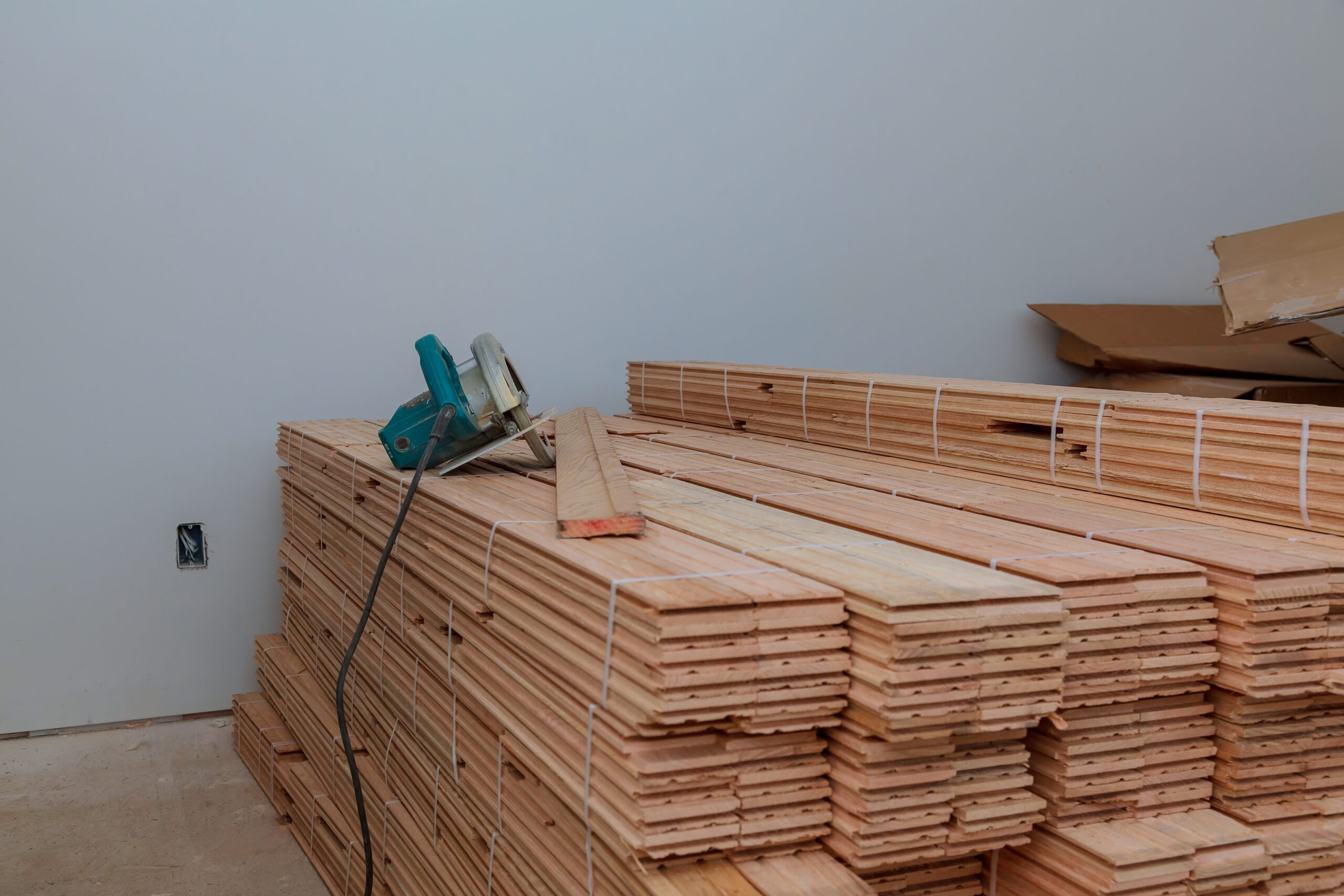
Floating Installation
Materials Needed:
- Engineered hardwood flooring planks
- Moisture barrier (if underlayment does not include)
- Underlayment
- Floor Spacers (¼ inch)
- Transition strips (for doorways/adjoining rooms)
Tools Needed:
- Utility knife
- Tapping block
- Pull bar
- Saw (jigsaw or hand saw)
- Hammer
- Pencil
- Tape measure
- Chalk Line
1.) Prepare the Subfloor
- Ensure the subfloor is clean, level, and free from debris.
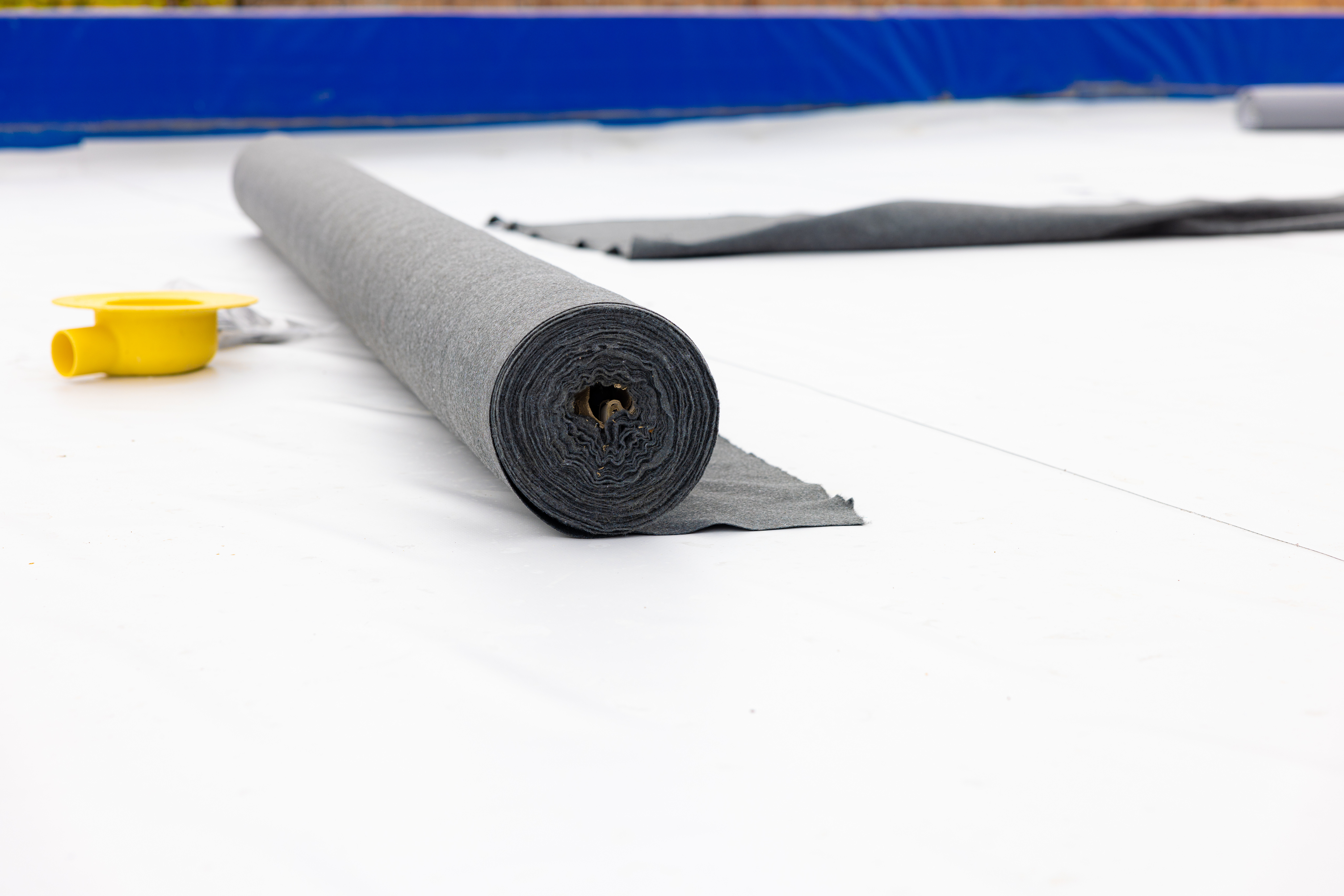
- Install a moisture barrier over the subfloor, overlapping seams by 6 inches.
- Roll out the underlayment and attach to the moisture barrier, leaving a ½ – ¾ inch gap from the walls, butting the edges together without overlapping.
- Use a utility knife to trim the underlayment to fit the room.
2.) Lay the First Row
- Begin in a corner, placing spacers against the walls to maintain the expansion gap.
- Lay the first row of planks with the groove side facing the wall.
- Apply tongue and groove adhesive onto each plank (if recommended by manufacturer) and interlock the planks
- Use the tapping block and hammer to gently lock the grooved ends of the planks together.
- Ensure the planks are properly aligned and fully engaged.
3.) Stagger the Planks
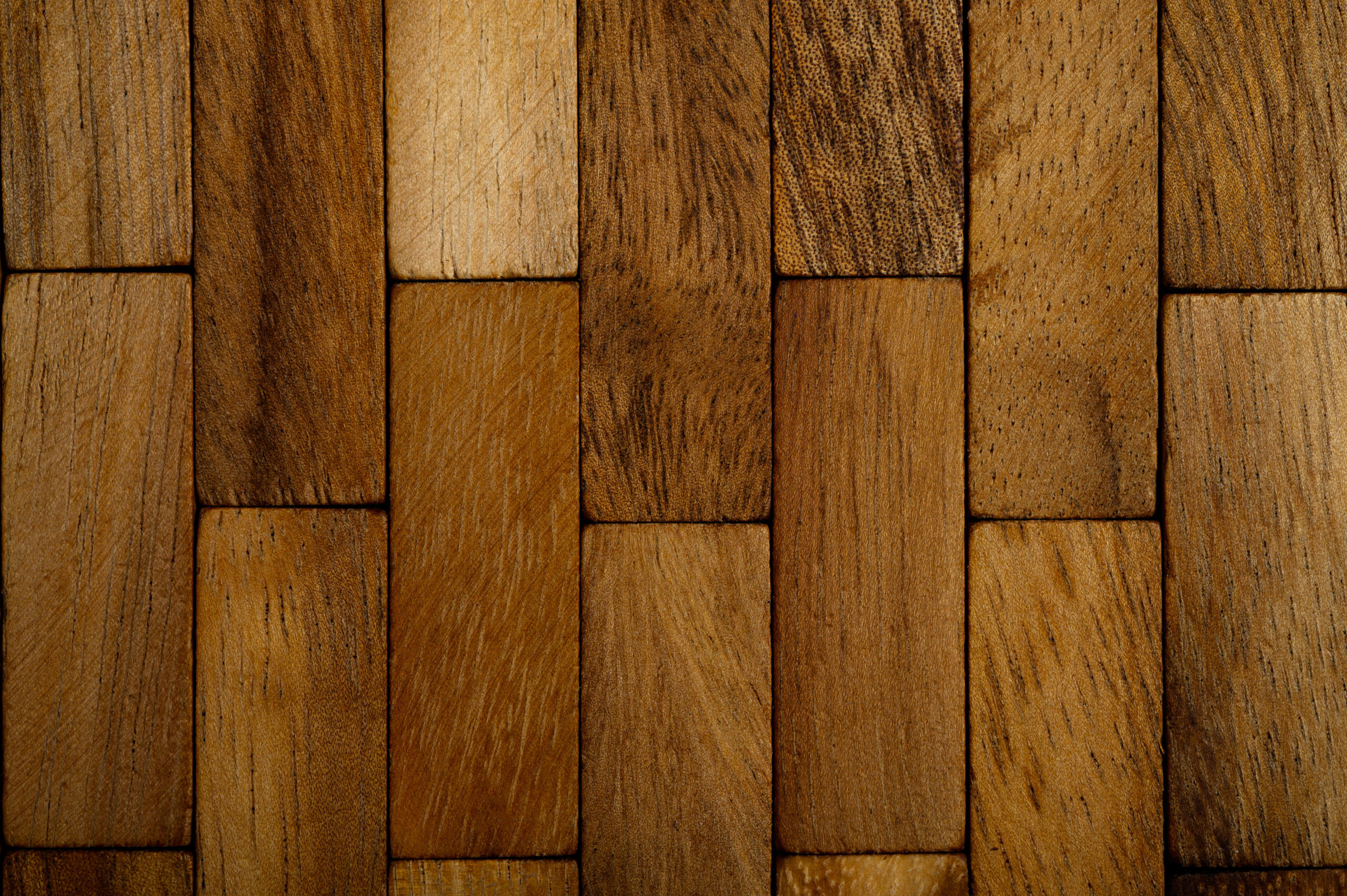
- Start the second row with a plank cut to a different length than the first
- Stagger the end joints by at least 6 inches for a more appealing look.
4.) Cut the Planks to Fit
- Use a saw to cut the last planks in each row to fit against the wall, leaving the expansion gap.
- Use the pull bar to align the plank with the previous row
5.) Install Transition Strips
- At doorways and adjoining rooms, install transition strips to allow for expansion and create a seamless transition.
6.) Finishing Touches
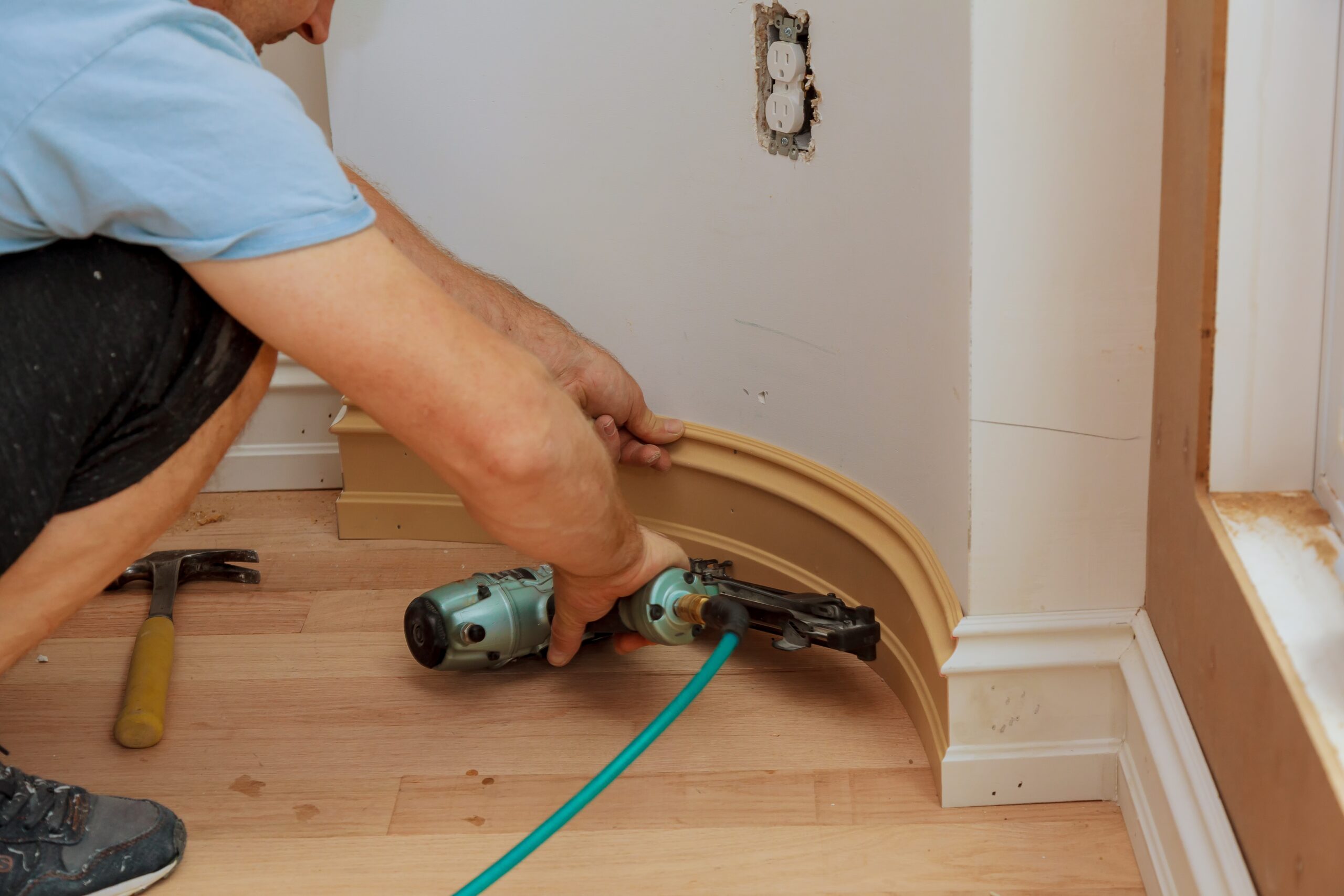
- Remove all spacers once the installation is complete.
- Install baseboards or quarter-round moldings to cover the expansion gaps along the walls.
Glue-Down Installation
Materials Needed:
- Engineered hardwood flooring planks
- Moisture barrier (if underlayment does not include)
- Underlayment
- Hardwood flooring adhesive (manufacturer recommended)
- Trowel (notched trowel size recommended by adhesive manufacturer)
- Spacers
Tools Needed:
- Utility knife
- Tapping block
- Pull bar
- Saw (jigsaw or hand saw)
- Tape measure
- Roller (100-150 pounds)
- Chalk line
1.) Prepare the Subfloor
- Ensure the subfloor is clean, level, and free from debris.
- Install a moisture barrier over the subfloor, overlapping seams by 6 inches.
- Roll out the underlayment and attach to the moisture barrier, leaving a ½ – ¾ inch gap from the walls, butting the edges together without overlapping.
- Use a utility knife to trim the underlayment to fit the room.
2.) Plan the Layout and Apply Adhesive
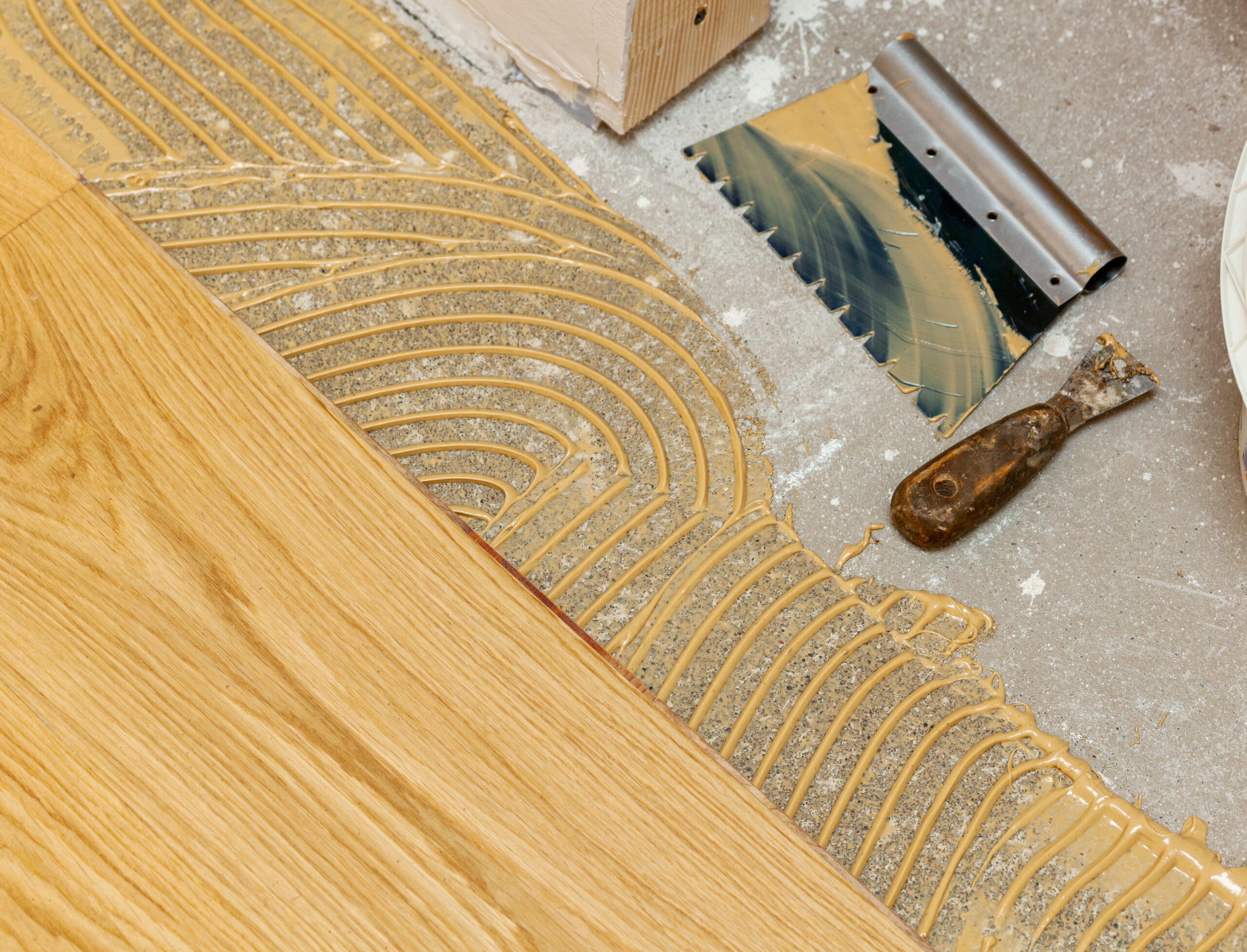
- Use chalk lines to mark two perpendicular lines on the subfloor, representing the starting lines for the installation.
- Use the recommended trowel to spread a workable amount of adhesive evenly onto the subfloor, cover about two rows at a time.
- Follow the adhesive manufacturer’s instructions for trowel size and adhesive open time.
3.) Lay the First Row
- Begin laying the engineered planks along a corner of the room, pressing them firmly into the adhesive.
- Use spacers to maintain the expansion gap (usually 1/4 inch) between the planks and the walls.
4.) Cut Planks to Fit
- Use a saw to cut the last planks in each row to fit against the wall, leaving space for the expansion gap.
5.) Stagger the Planks
- Start the second row with the cut plank.
- Stagger the end joints by at least 6 inches for a more appealing look.
6.) Lock the Planks Together
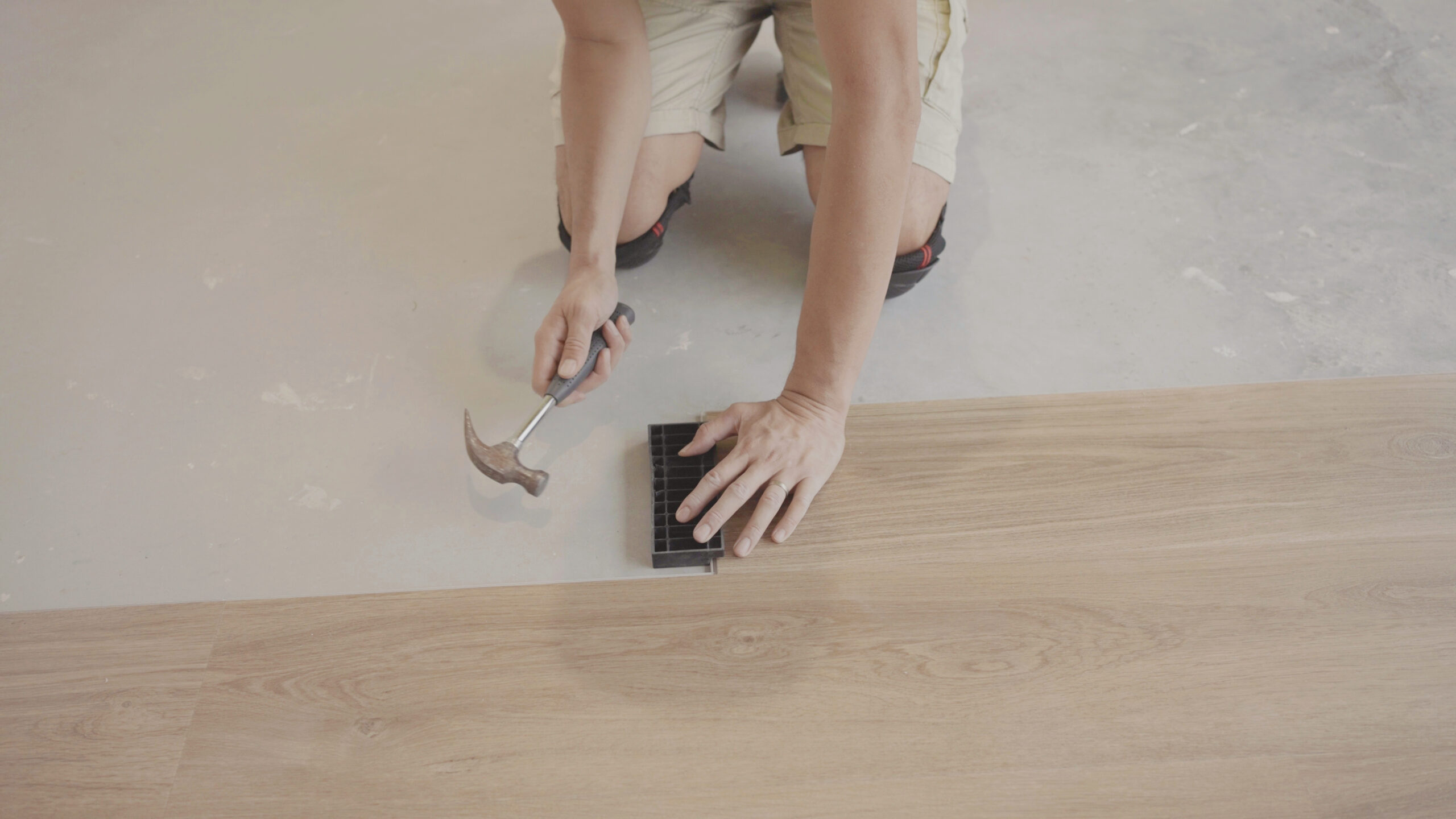
- Use the tapping block and hammer to gently lock the grooved ends of the planks together.
- Ensure the planks are properly aligned and fully engaged.
7.) Lock the Planks Together
- Once all sections are installed, use a clean trowel or knife to remove any adhesive from the surface of the planks.
- Roll the installed section with a 100-150 lb roller to ensure proper adhesive transfer.
8.) Finishing Touches
- Remove all spacers once the installation is complete.
- Install baseboards or quarter-round moldings to cover the expansion gaps along the walls.
Nail-Down Installation
Materials Needed:
- Engineered hardwood flooring planks
- Moisture barrier
- Underlayment (if recommended by manufacturer)
- Pneumatic nails or cleats (size recommended by flooring manufacturer)
- Wood Putty
- Spacers
Tools Needed:
- Pneumatic nail gun
- Compressor and hose
- Tapping block
- Pull bar
- Utility knife
- Pencil
- Tape measure
- Pry bar
- Chalk
1.) Prepare the Subfloor
- Ensure the subfloor is clean, level, and free from debris.
- Install a moisture barrier over the subfloor, overlapping seams by 6 inches.
- If recommended, install underlayment over the moisture barrier.
2.) Plan the Layout and Lay the First Row
- Use chalk lines to mark two perpendicular lines on the subfloor, representing the starting lines for the installation.
- Use spacers to maintain the expansion gap (usually 1/4 inch) between the planks and the walls.
- Begin by laying the engineered planks along the chalk line, with the tongue side facing the wall.
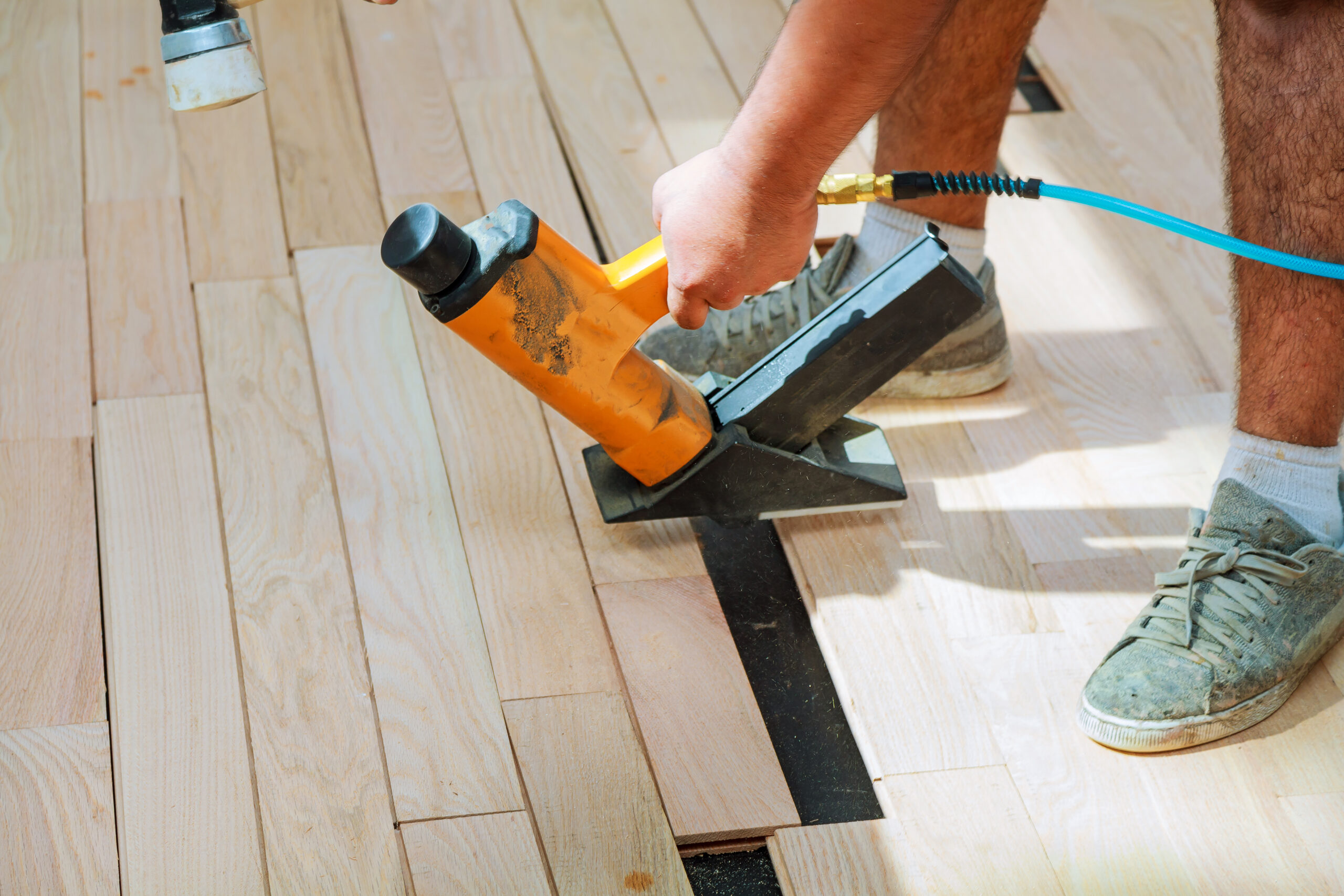
- Use the pneumatic nail gun to blind-nail the planks through the tongue at an angle.
3.) Lay the First Row
- Begin laying the engineered planks along a corner of the room, pressing them firmly into the adhesive.
- Use spacers to maintain the expansion gap (usually 1/4 inch) between the planks and the walls.
4.) Cut Planks to Fit
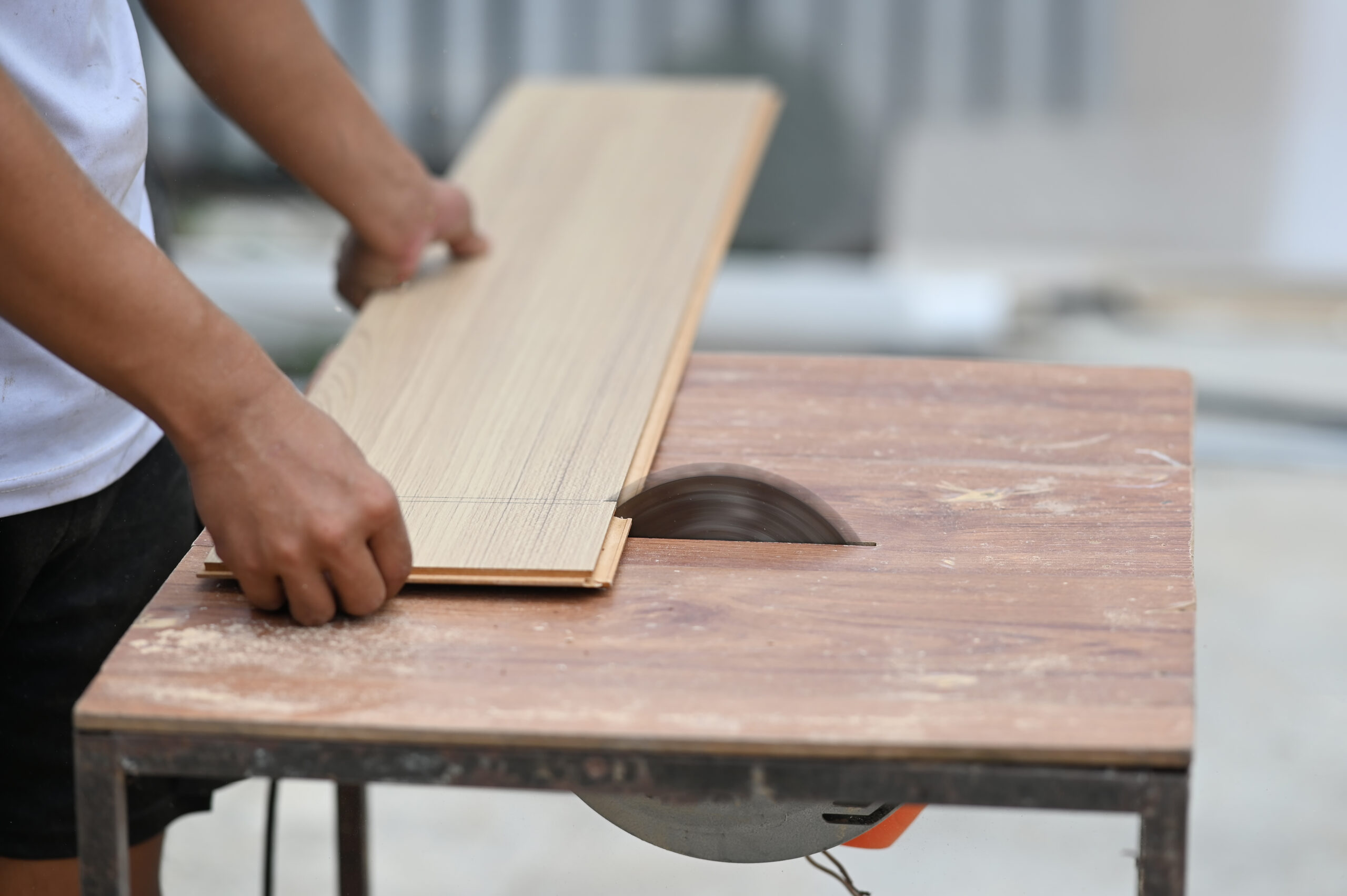
- Use a saw to cut the last planks in each row to fit against the wall, leaving space for the expansion gap (usually 1/4 inch).
5.) Stagger the Planks
- Start the second row with the cut plank.
- Stagger the end joints by at least 6 inches for a more appealing look.
6.) Lock the Planks Together
- Use the tapping block and hammer to gently lock the grooved ends of the planks together.
- Once locked, use the pneumatic nail gun to blind-nail through the tongue at an angle.
7.) Nailing the Final Rows
- For the final few rows, you may need to use a pry bar to engage the tongue-and-groove joints.
- Nail through the top of the plank at an angle, close to the wall, and fill the nail holes with putty.
8.) Finishing Touches
- Remove all spacers once the installation is complete.
- Install baseboards or quarter-round moldings to cover the expansion gaps along the walls.
Let’s Start a Project
Lorem ipsum dolor sit amet, consectetur adipiscing elit, sed do eiusmod tempor incididunt ut labore et dol